Human-AI Collaboration in Photo Editing: Where Automation Ends and Expertise Begins
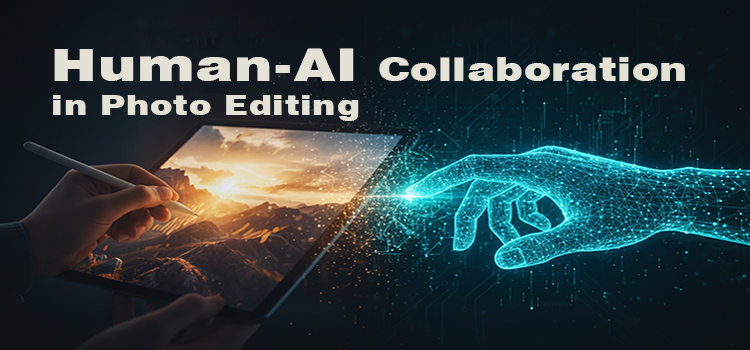
Not long ago, photo editing felt like a purely human craft. A skilled retoucher sat in front of a screen, zoomed in to 200%, and nudged pixels one by one until the image felt right. Then AI arrived, fast and loud, promising instant results and effortless perfection. Some people called it a revolution and found the scope of human-ai collaboration. Others called it a threat.
In reality, something more practical happened.
AI did not replace human photo editors. It changed how they work.
Today, the best results do not come from humans alone or machines alone. They come from human-ai collaboration. This partnership shapes how images are edited, approved, and delivered at scale, especially for ecommerce, advertising, and global brands. Understanding this shift matters, because visuals now decide trust, conversions, and brand credibility.
Let’s look at what really changed, what AI does well, where it fails, and why humans still matter more than ever.
The Evolution of Photo Editing: From Craft to Collaboration
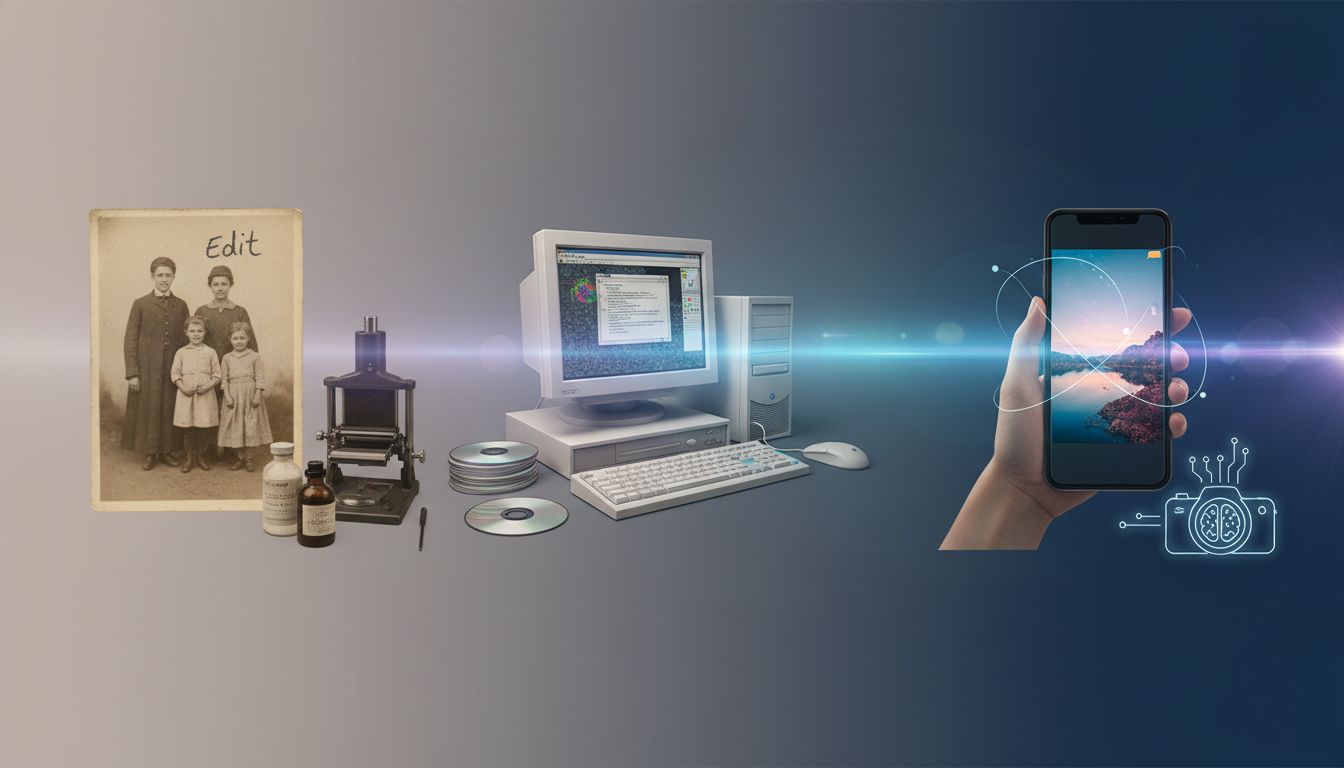
Photo editing services has always followed technology. Darkrooms gave way to desktops. Photoshop replaced physical tools. Actions and presets speed things up. Each step made editing faster, but none removed the need for judgment.
AI pushed this evolution further.
Early automation helped with repetitive tasks. Batch color correction saved time. Clipping paths became easier. Background removal no longer required hours of pen-tool work. Editors welcomed these tools because they removed friction.
Then AI models learned to “understand” images. They could detect subjects, predict edges, and simulate lighting. For the first time, editing felt instant.
Speed changed overnight.
What did not change was responsibility.
A fast edit still needs to be the right edit. That’s where the story becomes more interesting.
What AI Is Good at in Photo Editing
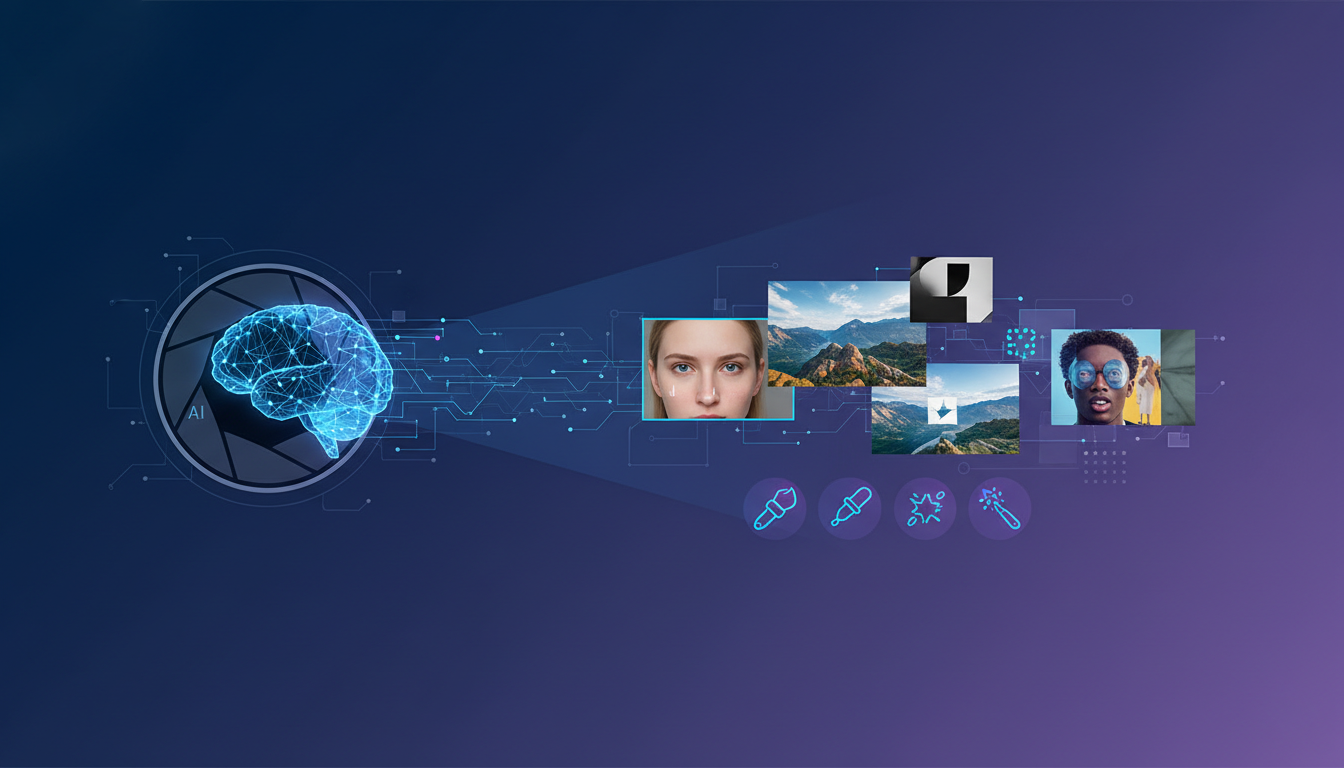
AI excels at tasks that follow patterns. When rules are clear and outcomes are predictable, machines shine. Photo editing includes many such tasks.
AI handles background removal with impressive accuracy. It isolates products, people, and objects in seconds. This saves hours in high-volume workflows.
It removes dust, scratches, and small blemishes without complaint. It applies consistent exposure adjustments across hundreds of images. Ai also generates multiple variations for testing layouts or ads.
AI also speeds up experimentation. Brands can test different crops, shadows, or color tones quickly. That agility matters in fast-moving markets.
These strengths make AI valuable. They reduce cost, speed up delivery, and free humans from tedious work. No professional editor wants to spend all day cutting out white backgrounds.
But these strengths also hide a weakness.
AI does not know why an image exists.
Where AI Still Falls Short
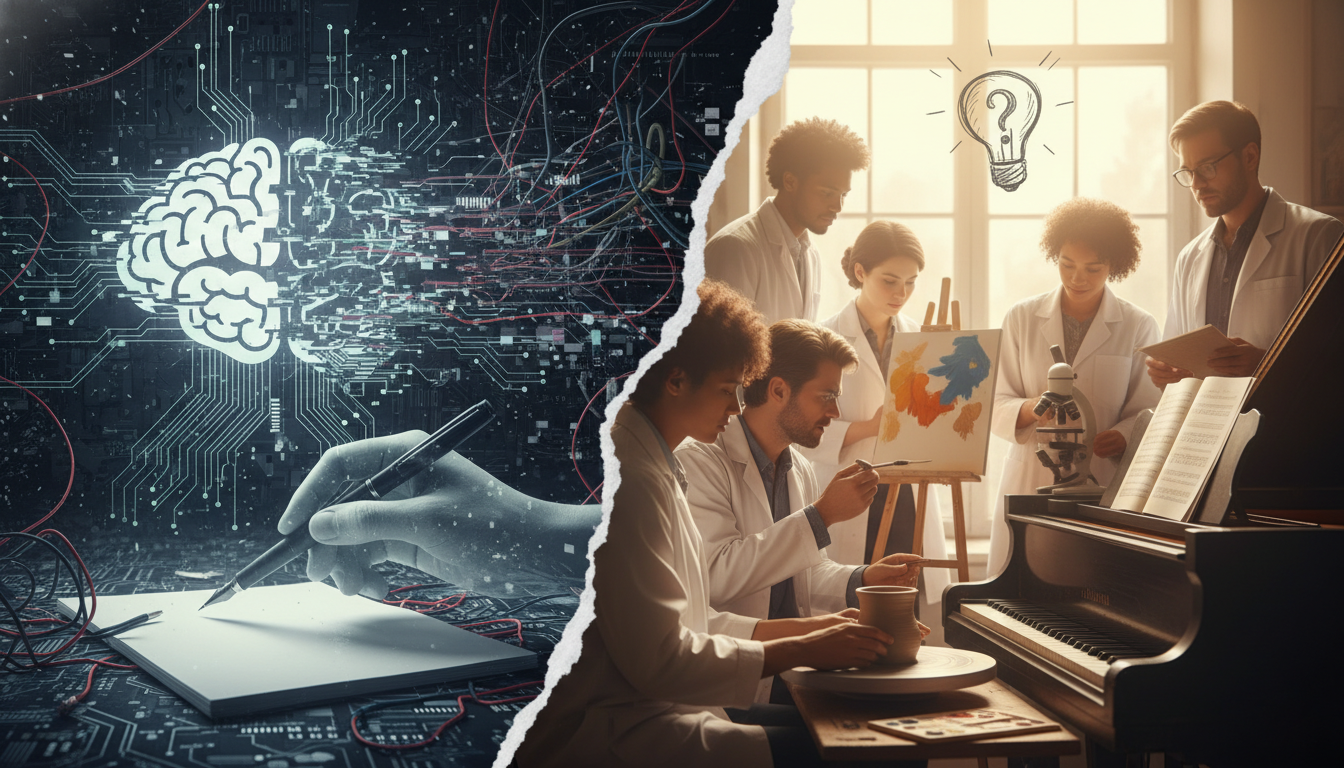
AI sees pixels, not intent. It processes images without understanding brand voice, cultural nuance, or business context. That gap shows up fast in real projects.
Consistency becomes the first problem. It may edit one image beautifully, then handle the next one slightly differently. Over hundreds of images, those differences add up. Whites shift. Shadows vary. Textures soften unevenly.
Color accuracy creates another issue. AI often “improves” colors instead of matching reality. A red shirt becomes richer. A gold ring becomes warmer. These changes look nice, but they can misrepresent the product.
Texture loss is common. AI smooths skin and surfaces aggressively. Fabric loses grain. Leather looks plastic. Jewelry loses edge definition. The image looks clean but fake.
Then there’s context. AI does not know when modesty matters. It does not understand marketplace rules, and cannot judge whether an edit crosses legal or ethical lines. It does not know when realism matters more than beauty.
These failures do not happen because AI is bad. They happen because AI lacks judgment.
Why Human Judgement Still Matters
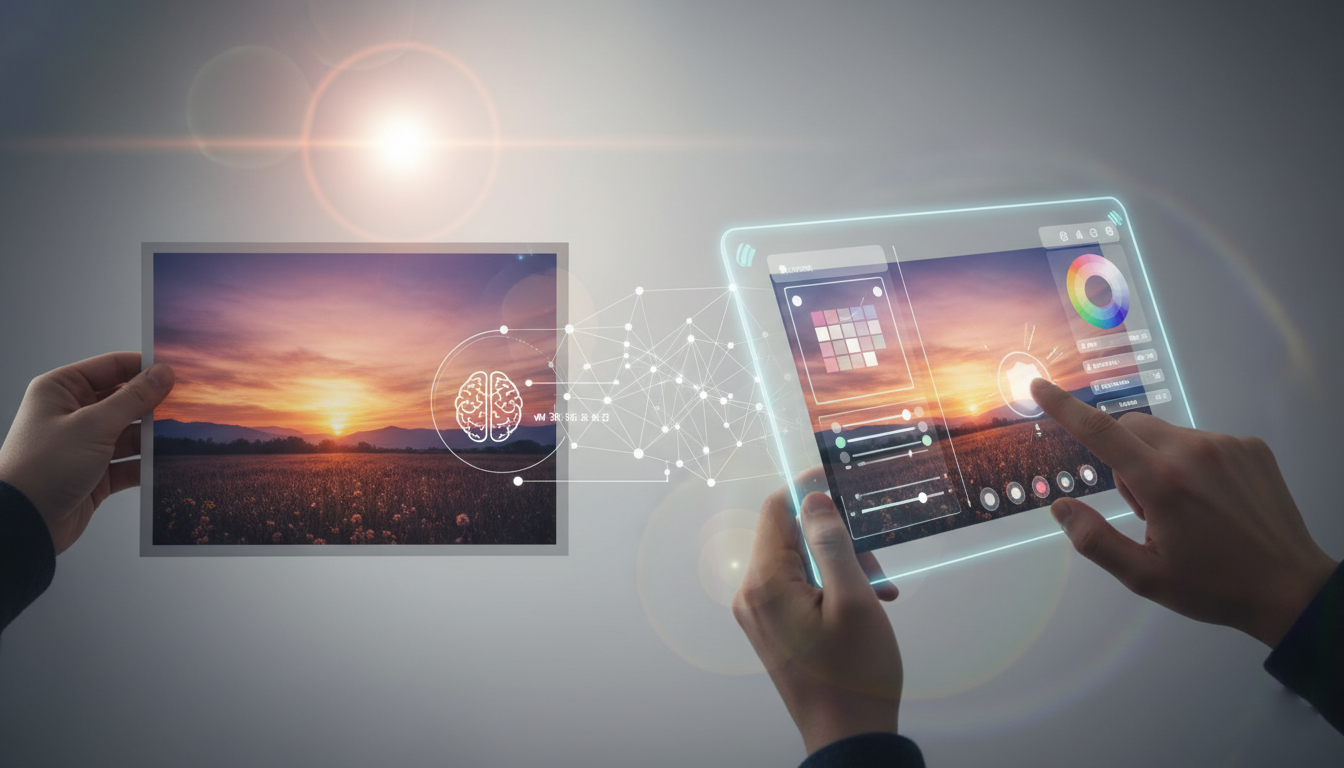
Human editors do not just edit images. They make decisions.
Humans decide what the viewer should notice first. They control visual hierarchy, protect brand consistency., and understand cultural expectations and platform rules.
A human editor knows when to stop. That skill matters more than it sounds.
Over-editing damages trust. Under-editing hurts clarity. Finding the balance requires experience. It requires understanding how people see, not how algorithms score pixels.
Humans also understand intent. A product image exists to sell without misleading. A fashion image exists to inspire without offending. An ad image exists to persuade without crossing boundaries. AI cannot evaluate those goals.
This does not mean humans must do everything manually. It means humans must stay in control.
The Hybrid Workflow: How Collaboration Works in Practice
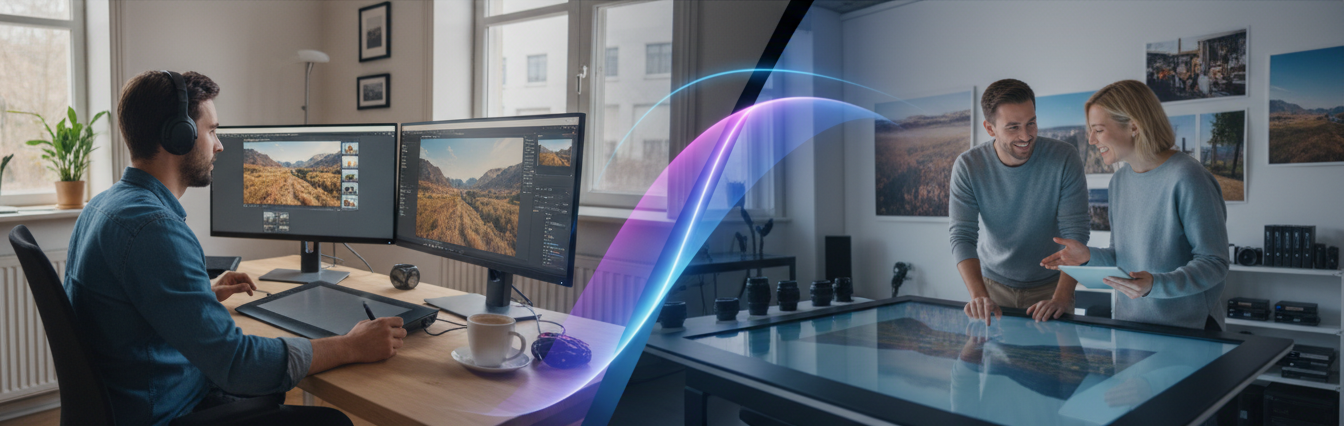
In 2026 and beyond, the most effective photo editing workflows follow a hybrid model. They combine speed with judgment.
Here’s how that usually works.
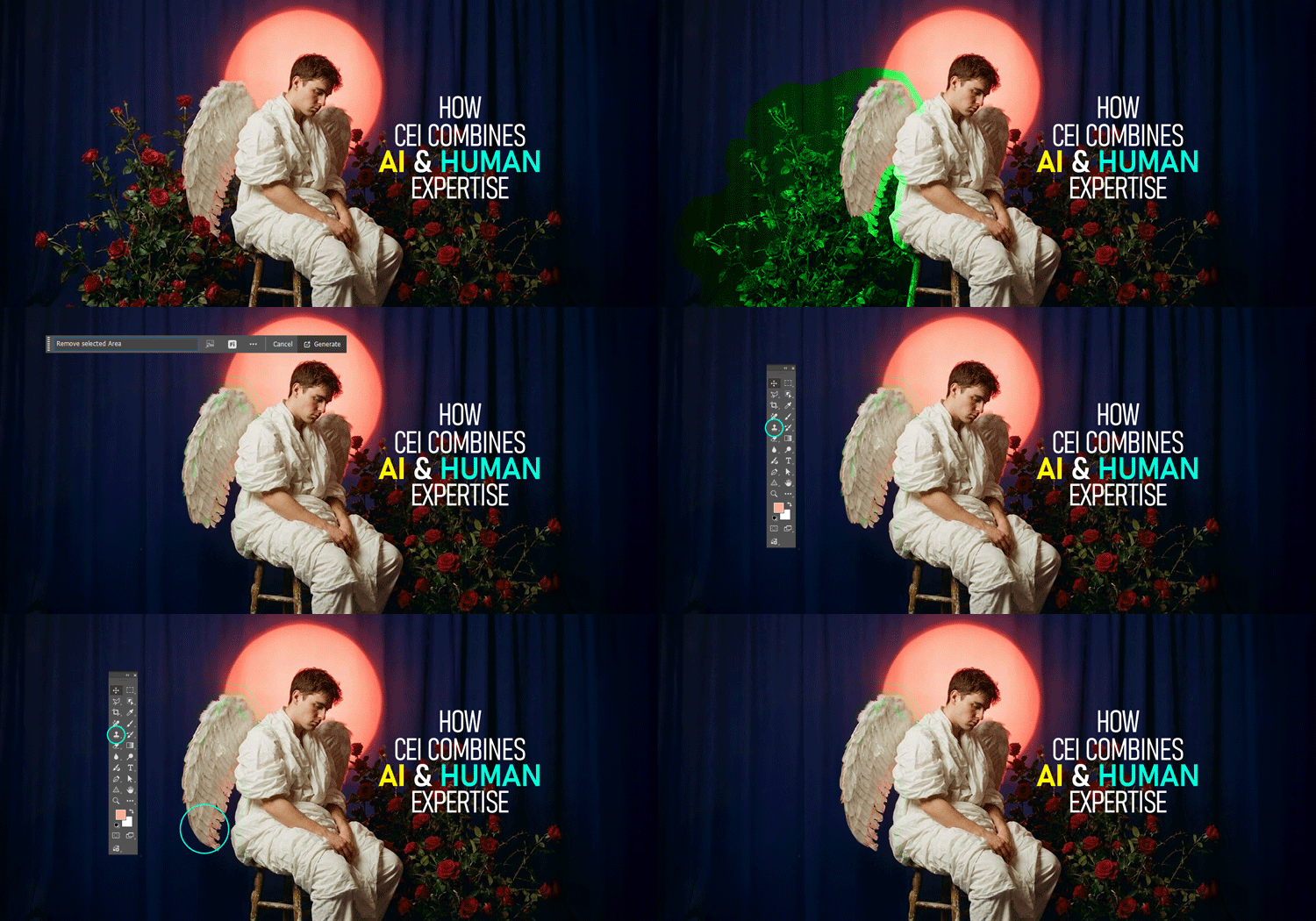
First, AI handles the mechanical tasks. It removes backgrounds, normalizes exposure, and cleans obvious flaws. This step creates a solid base.
Next, human editors step in. They refine edges, correct colors with brand references in mind, restore textures that AI softened too much, and adjust shadows to look natural, not synthetic.
After that, quality assurance comes into play. Humans review images in batches, not isolation. They check consistency across the entire catalog. They verify that edits align with platform requirements and brand standards.
Finally, images are exported for specific uses. One version for marketplaces. Another for ads. Another for social media. Each version follows different rules, and humans manage those differences.
This workflow works because each part does what it does best.
AI moves fast. Humans think.
Real-World Use Cases Where Hybrid Editing Wins
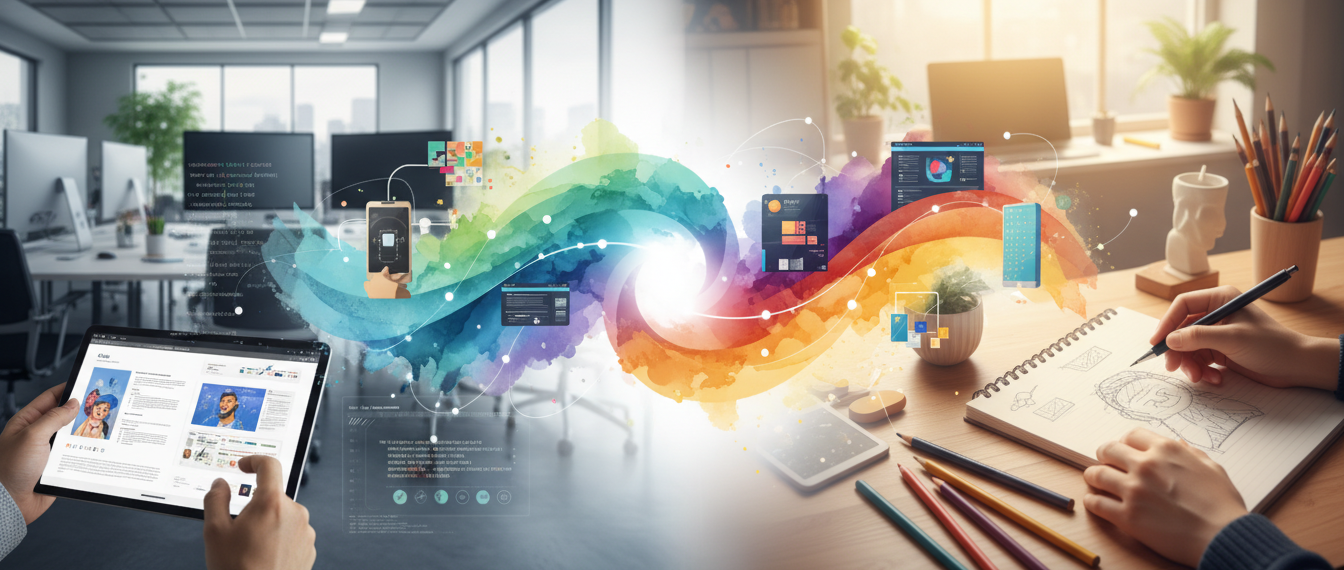
Hybrid editing shines where stakes are high and volume is large.
Ecommerce Product Images
Online shoppers rely on images to judge quality. Hybrid editing ensures clean presentation without distortion. AI speeds up production. Humans protect accuracy.
Fashion and Apparel
Fabric texture and fit matter. AI handles background cleanup. Humans preserve material realism and avoid over-smoothing.
Jewelry and Reflective Products
Reflections confuse AI. Humans control highlights, edges, and sparkle. AI assists with initial cleanup.
Real Estate
Lighting balance and perspective require judgment. AI enhances clarity. Humans ensure realism.
Advertising Creatives
Brand voice matters. AI generates variations. Humans select and refine the ones that feel right.
In all these cases, collaboration outperforms automation.
Human-AI Collaboration vs AI-Only Editing
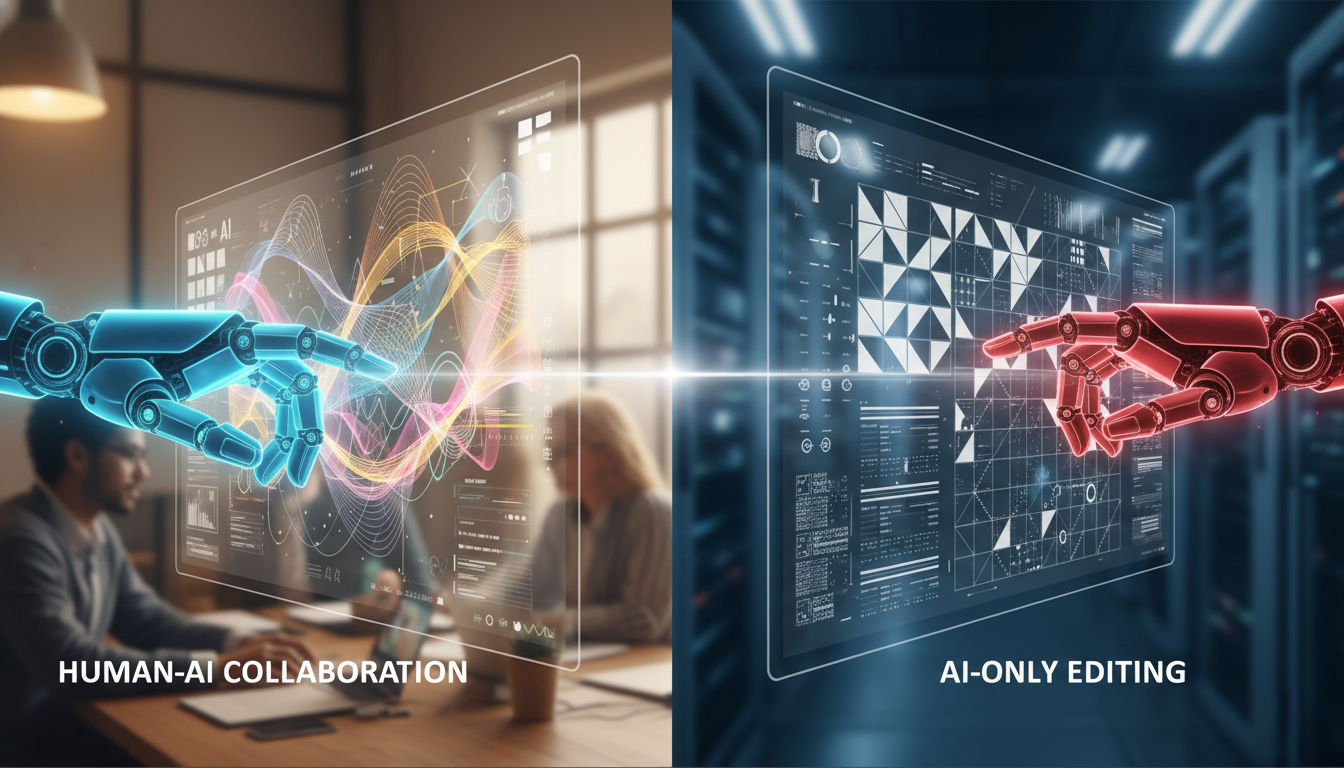
AI-only editing promises speed and low cost. It delivers that, but with trade-offs.
AI-only workflows struggle with consistency across large sets. They introduce subtle errors that humans notice immediately. They increase revision cycles because something always feels off.
Hybrid workflows cost slightly more upfront, but they reduce rework. They produce assets that scale across channels. They protect brand trust.
In the long run, hybrid editing often costs less because it avoids returns, complaints, and wasted ad spend.
Speed matters. Accuracy matters more.
How Collaboration Improves Business Results

Visual quality affects business outcomes more than most brands admit.
Clear, honest images reduce buyer hesitation. Shoppers feel confident clicking “buy.” That improves conversion rates.
Accurate visuals reduce returns. When products match expectations, customers keep them. That saves money and protects reviews.
Clean images perform better in ads. They load faster, read clearer, and stop the scroll.
Hybrid editing supports all of this. It aligns visuals with reality, not fantasy.
Common Myths About AI in Photo Editing
One myth refuses to die: AI will replace human editors.
It won’t.
Another myth claims AI is always cheaper. It isn’t, once revisions and mistakes add up.
Some believe AI is more objective. In practice, it applies hidden biases from training data.
Others assume AI needs no quality control. That belief causes the most damage.
The truth is simpler. AI is powerful. It is not wise.
Choosing the Right Human-AI Editing Partner
Not all services understand collaboration.
The right partner explains their workflow clearly. The human-ai partnership show where AI fits and where humans take over. They follow style guides, document changes, and respect accuracy.
They do not sell “AI magic.” Rather, they sell reliability.
If a service cannot explain how they prevent over-editing or protect product truth, walk away.
The Future of Human-AI Collaboration
AI will get faster. Tools will get cheaper. Automation will spread.
Human judgment will become more valuable, not less.
Editors will spend less time clicking and more time deciding. Brands will treat editing as infrastructure, not decoration. Visual trust will become a competitive advantage.
The future belongs to teams that combine intelligence with intent.
Final Thoughts
Human-AI collaboration in photo editing is not a trend. It’s a working model.
Automation handles repetition. Humans handle meaning. Together, they create images that sell, persuade, and build trust.
The question is no longer whether to use AI. The real question is whether you keep humans in charge.
The brands that answer that correctly will win the next decade of visual commerce.