

Limits of AI Photo Editing: Brands Still Demand Human Retouching!
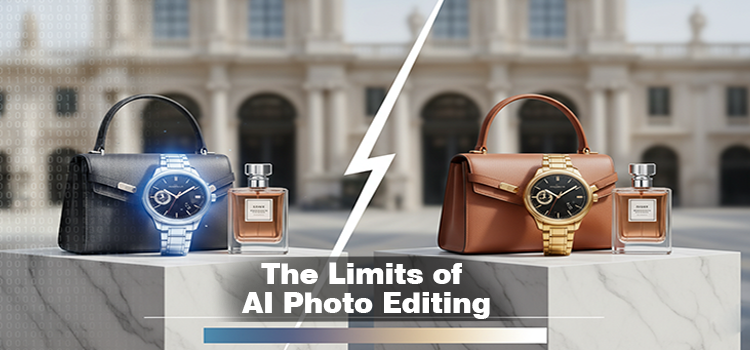
We are working in the great automation time. As we move through 2026, if you open any creative or tech journal, you will find that everybody is talking about AI Photo Editing and how Generative AI has solved photography and product photo editing. With a single prompt image shadows vanish, skin clears, and image backgrounds transform. To the ordinary users, first time it might look like the work of a professional photo retoucher.
But if you step inside the marketing departments of a Madison Avenue luxury house, a Swiss watchmaker, or a Parisian haute couture label, you will find a very different reality.
Despite the billion dollar investments in AI, the world’s most prestigious brands are actually increasing their reliance on high-end human retouchers. Why? Because in the luxury market, good enough is the enemy of exquisite.
As a professional photo editing service provider who has spent millions of hours under the glow of a color-calibrated monitor, we have seen firsthand where the silicon hits the ceiling. AI is a fantastic tool for speed, but it lacks the one thing luxury requires: Soul.
In this content, we are going to pull back the curtain on the technical, psychological, and economic reasons why AI photo editing is hitting a wall and why human artistry remains the ultimate luxury.
-
The “Plastic Skin” Epidemic: Pores vs. Pixels
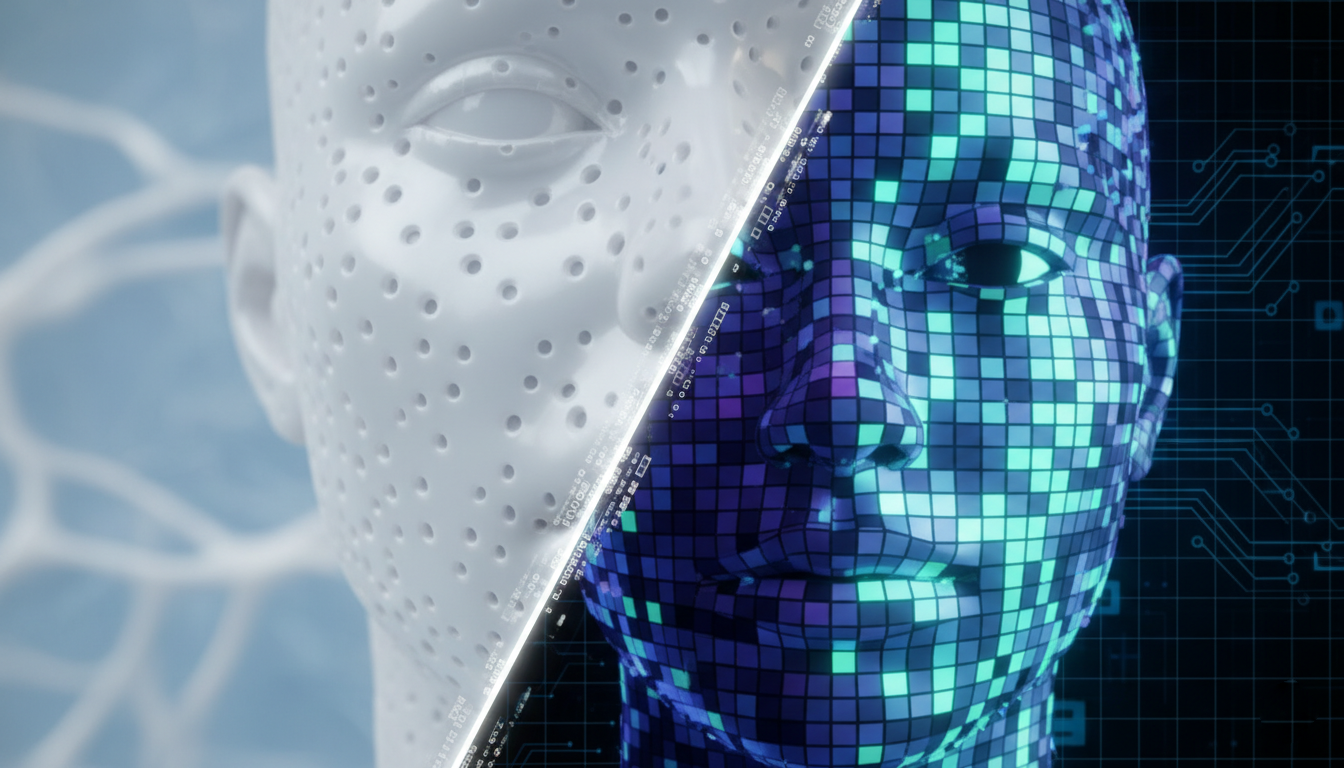
One of the first things an AI powered retouching tool does is smooth the skin. It identifies noise as a blemish and replaces it with the surrounding pixels. The result? Skin looks like featureless, poreless, and fake.
The Luxury Standard: Texture is Everything
In high-end fashion and beauty (think Vogue or Harper’s Bazaar standards), the goal is not to remove the skin; it is to perfect the skin while keeping it looking human.
Professional retouchers use a technique called Frequency Separation. We split the image into two layers: one for color/tone and one for texture and fix a red patch on a cheek without touching a single pore. We can remove a temporary blemish while keeping the fine lines that give a face character.
AI struggles with this nuance. It does not understand the difference between a distracting pimple and a defining freckle. To an AI, they are both just irregularities. For a luxury brand, stripping a model of their humanity is the fastest way to lose the trust of a sophisticated audience. In 2026, authenticity is the new prestige.
-
The Physics of Light: The Jewelry & Watch Challenge

If you want to see an AI have a digital nervous breakdown, ask it to retouch a high-end diamond ring or a luxury watch with a sapphire crystal.
Why AI Fails at Refraction
Luxury jewelry involves complex physics:
- Refraction: How light bends through a gemstone.
- Reflection: How the studio lights (and the camera) appear on polished gold or platinum.
- Transparency: Seeing the watch movement through the dial.
AI tools work based on probability. They look at millions of images and guess what a watch should look like. But a Rolex is not just a guess. It is a specific arrangement of brushed and polished steel. AI often creates hallucinations like small geometric errors where a straight edge becomes slightly curved, or a reflection looks like a smudge.
A human retoucher understands the intent of the light. We know how to manually “Dodge and Burn” a piece of jewelry to make the metal look heavy and expensive. We know how to clean a diamond facet by facet to ensure it has fire. AI treats light as data; we treat light as emotion.
-
The Uncanny Valley and the Psychology of Desire
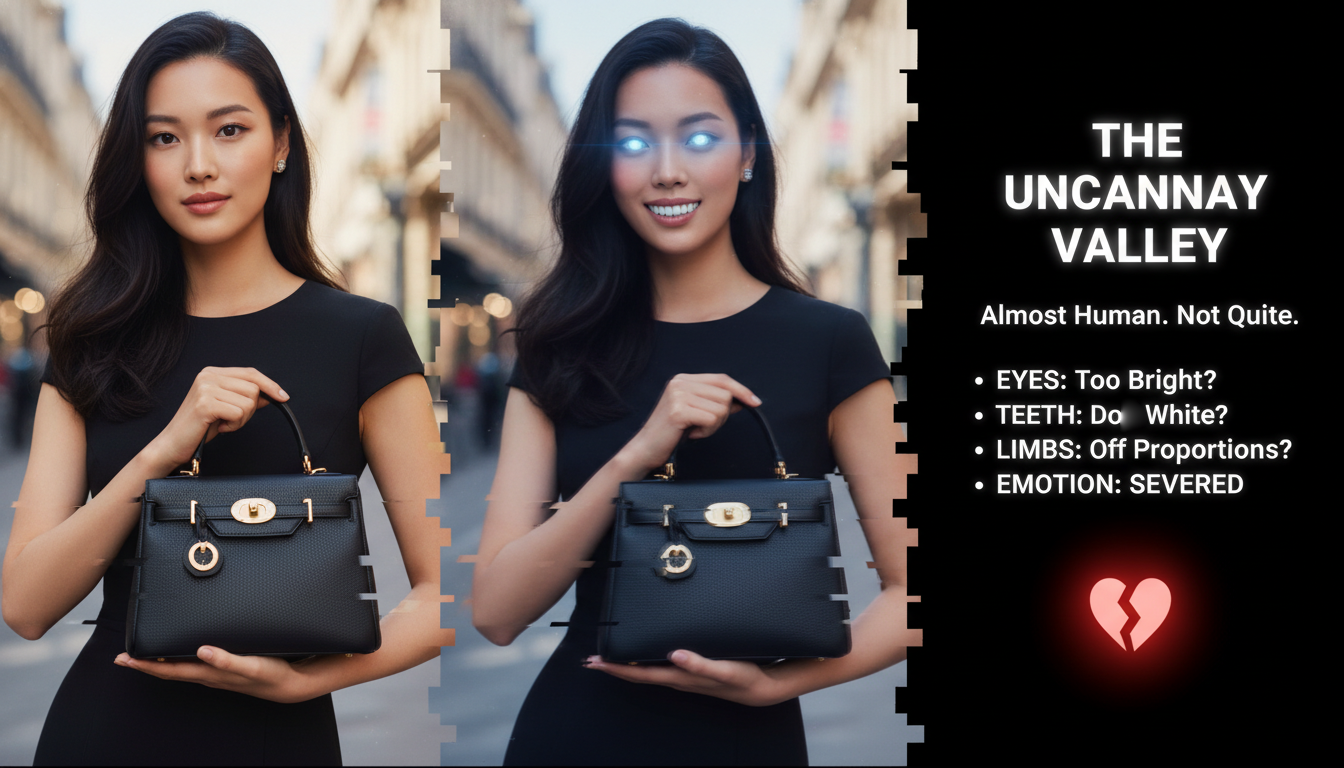
There is a psychological threshold called the Uncanny Valley. It is that eerie feeling you get when something looks almost human, but not quite.
AI generated or AI edited images often fall straight into this valley. The eyes might be a fraction too bright, the teeth a bit too white, or the limb proportions slightly off due to a body slimming algorithm.
Selling a Dream, Not a Robot
Luxury brands sell dreams. When a customer looks at an ad for a $10,000 handbag, they need to feel a sense of aspiration. If the image feels off or computed, that emotional connection is severed. The customer might not be able to say why they do not like the image, but they will instinctively feel it is cheap.
In a 2025 study on consumer trust, 72% of luxury shoppers stated they were less likely to purchase a product if the advertising looked obviously AI-generated. For brands like Chanel or Hermès, the risk of looking cheap is far more expensive than the cost of a professional retoucher.
-
Brand Consistency of AI Photo Editing: The DNA Problem
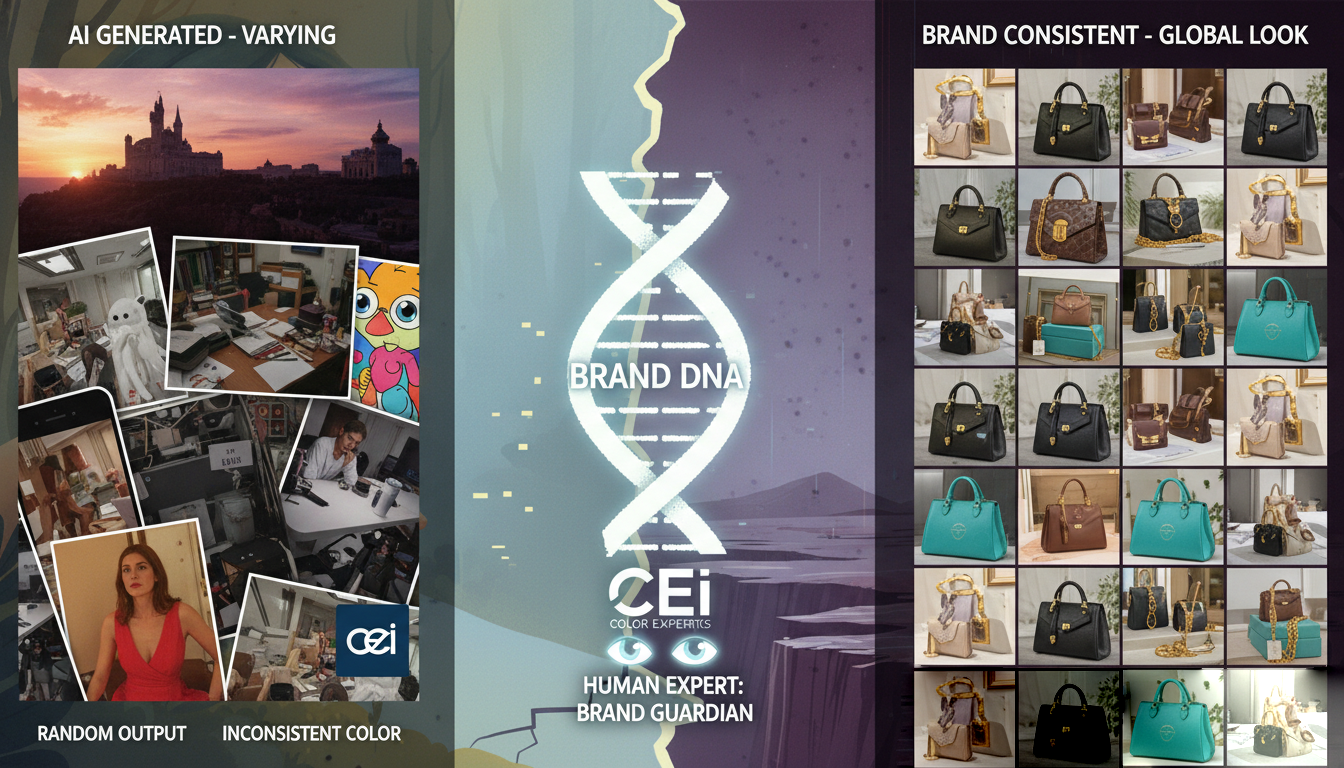
AI is inherently random. Even with the same prompt, you rarely get the exact same result twice. This is a nightmare for brand consistency.
The “Global Look”
A luxury brand might have 5,000 images in a seasonal catalog. These images are shot in different locations, with different lighting, and different models. Yet, when you flip through the catalog, they must all feel like they belong to the same world.
- Color Grading: The specific warmth of the brand’s gold.
- Contrast Levels: The depth of the blacks in their shadows.
- Color Accuracy: Ensuring the Tiffany Blue or Ferrari Red is mathematically identical across every platform.
AI tends to drift. It might make one image look cinematic and the next look like a smartphone snap. A human editor at an image manipulation company like Color Experts International acts as the Brand Guardian. We use our eyes and calibrated tools to ensure that the visual DNA remains unbroken across every single pixel.
-
Data & Market Trends: The Rise of the Human-Made Label
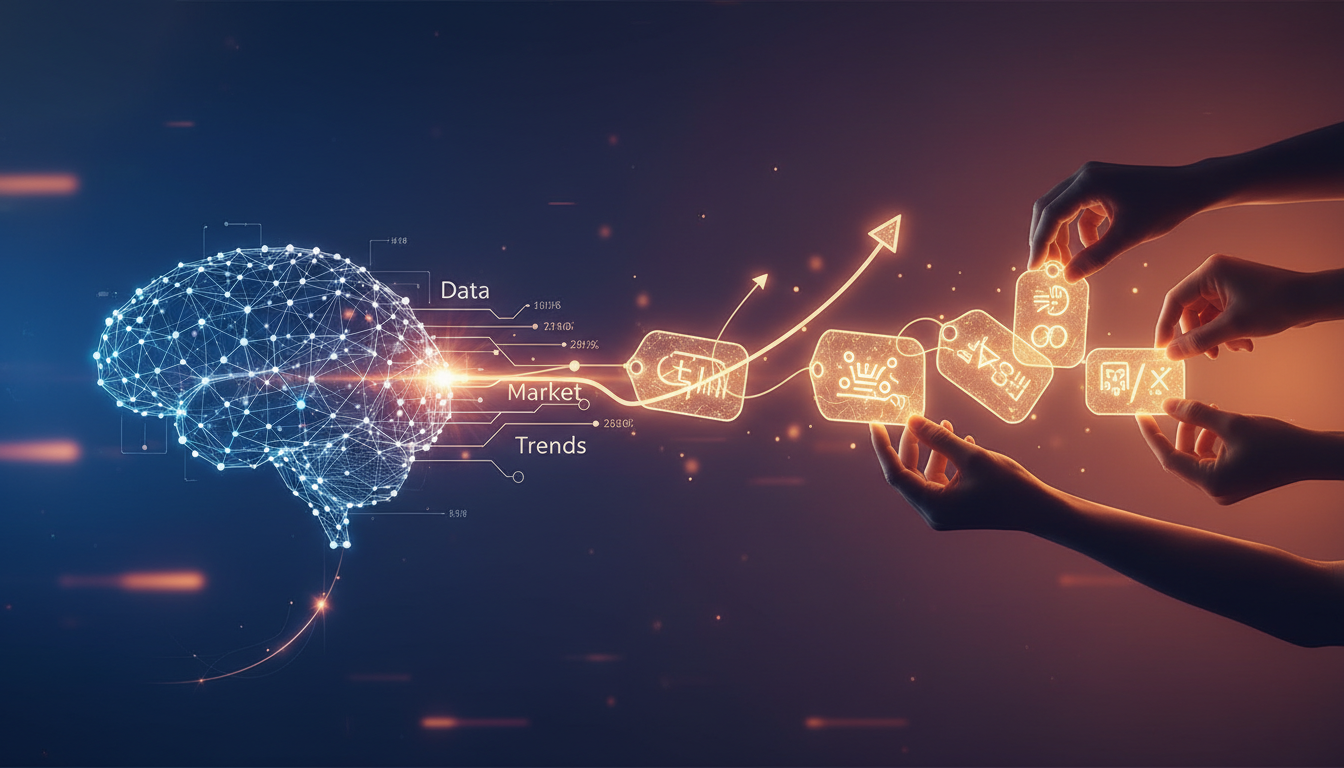
Interestingly, the market is starting to push back against pure AI. In 2026, we are seeing a trend similar to the Organic movement in food.
Market Predictions for 2026-2030
- Authenticity Premium: Market analysts predict that by 2027, luxury brands will start using Edited by Human or No Generative AI watermarks as a sign of quality.
- Return Rate Factor: Data shows that AI-edited products (especially in fashion) have a 15% higher return rate because the AI hallucinated a fabric texture or color that did not exist in reality.
- Legal Landscape: With new transparency laws in the USA and EU, brands are becoming wary of AI-altered bodies and faces to avoid massive fines and PR scandals.
-
The 2026 Hybrid Reality: How Pros Actually Use AI
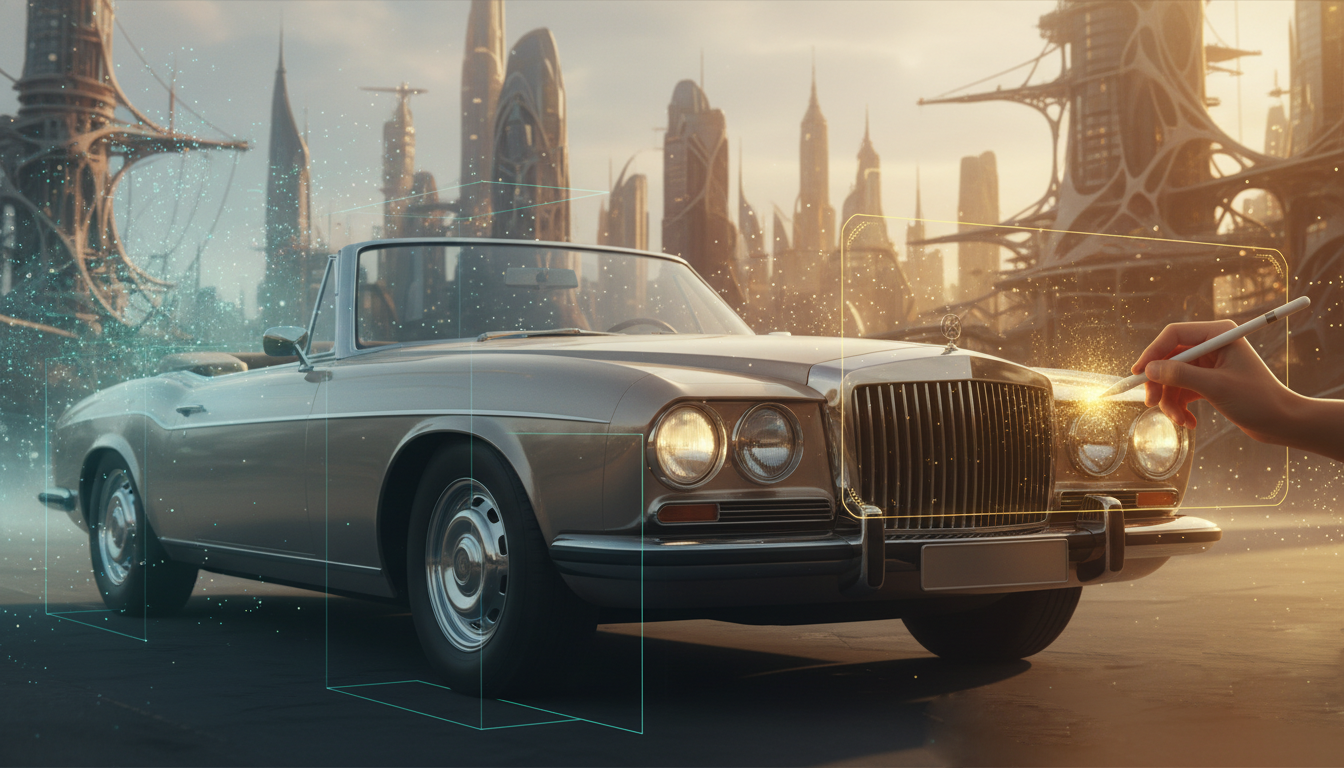
Do not get it wrong, we are not luddites. At CEI, we use AI. But we use it as a power tool, not a replacement.
The “90/10” Rule
The most successful luxury post-production workflows in 2026 follow the 90/10 rule:
- 90% AI Assistance: We use AI for the grunt work. This includes basic background extensions, and initial dust/scratch removal. This keeps the client’s costs down.
- 10% Human Artistry: This is where the magic happens. The final 10% is the human hand-tuning the color, the hand-painting of the light, and the critical eye that ensures the image is High-End.
Without that final 10%, the image is just a content. With it, the image becomes art.
-
Case Study: Why the Auto-Enhance Failed a Luxury Watch Brand
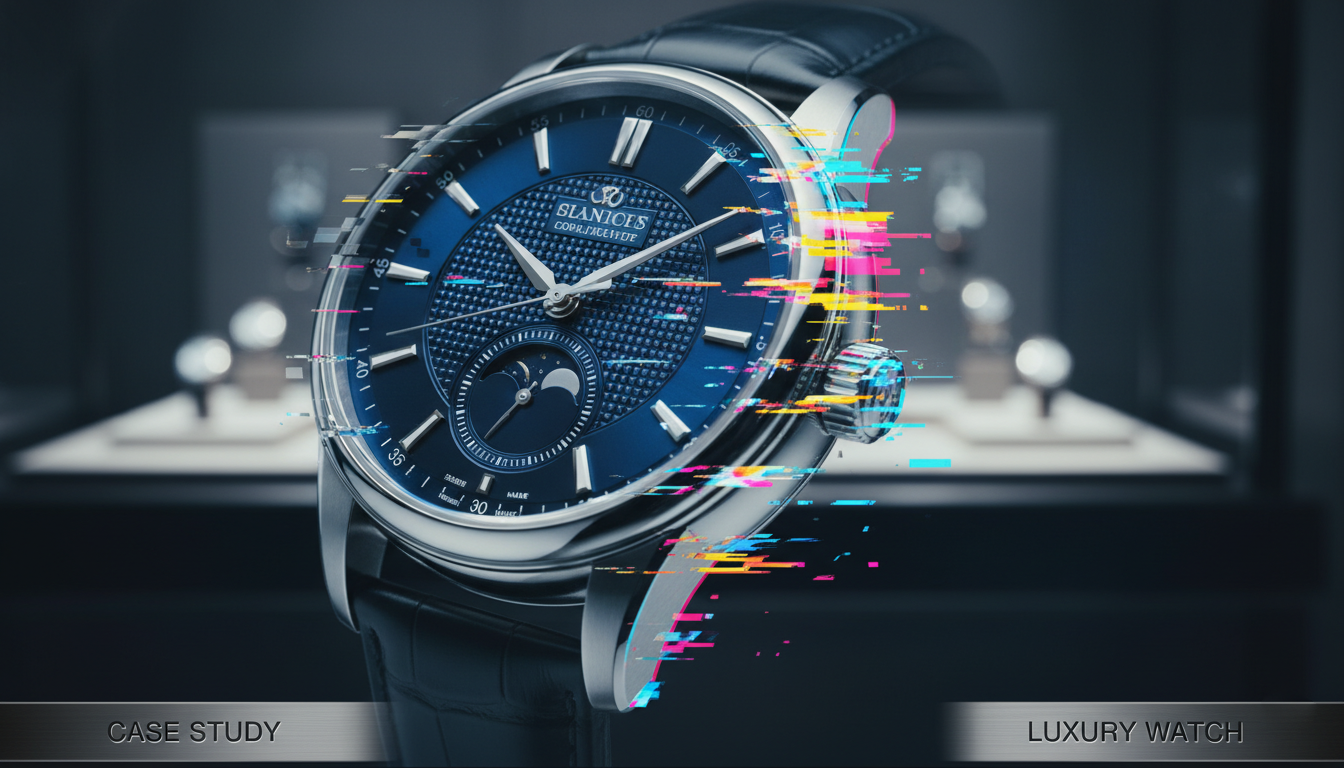
Last year, a mid-tier luxury watch brand tried to cut costs by using a fully automated AI retouching platform for their e-commerce launch.
The Result
- The “Auto-Reflect” tool erased the brand’s logo from the watch crown because it mistook the logo for a distracting reflection.
- The brushed steel links looked like smooth plastic because the AI denoised the metallic grain.
- So, the brand saw a 30% drop in pre-orders compared to the previous year.
They eventually brought the raw files to us. We spent two weeks painstakingly rebuilding the metallic textures and restoring the light physics. Once the human-retouched images went live, their conversion rates surged back to their original levels.
-
The Cost of Cheap: Why Savings Aren’t Savings
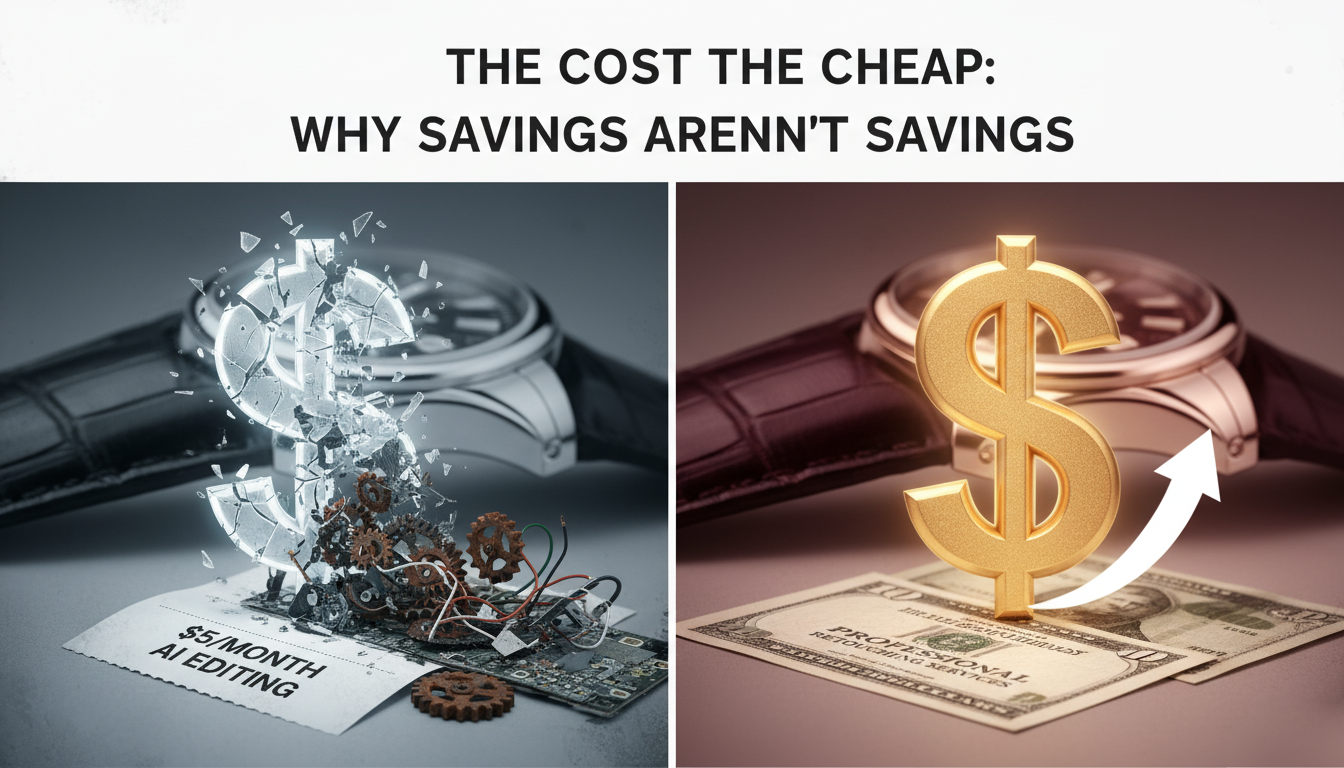
It is tempting to look at a $5/month AI subscription and compare it to a professional retouching bill. But for a luxury brand, the math is different.
The Hidden Costs of AI Photo Editing:
- Brand Dilution: If your $5,000 product looks like a $50 product because of poor editing, you have lost $4,950 in brand value.
- Reshoot Costs: If the AI ruins the files during an automated batch photo editing, you might have to spend $20,000 to reshoot the collection.
- Lost Time: Project managers often spend more time trying to fix bad AI edits than they would have spent just sending it to a pro lab in the first place.
AI Photo Editing Automation vs. Human Artistry
| Feature | AI Automated Editing (The Click) | Human Expert Retouching (The Craft) |
| Skin Texture | Plastic Epidemic: Smooths over pores and fine lines, creating a flat, artificial look. | Frequency Separation: Removes blemishes while preserving natural skin grain and soul. |
| Lighting Physics | Algorithmic Guessing: Often smudges reflections on jewelry, watches, and glass. | Physical Accuracy: Manually shapes light to highlight “fire” in gems and metallic weight. |
| Brand DNA | Style Drift: Inconsistent color grading across a large batch of images. | Brand Guarding: Precise adherence to specific Brand Colors and signature moods. |
| Accuracy | Hallucinations: May accidentally alter product shapes, textures, or small logos. | Total Precision: Ensures the digital asset is a 100% truthful “Twin” of the physical item. |
| Complex Edits | Struggles: Fails at intricate hair masking, transparent fabrics, or multi-surface reflections. | Excels: Handles high-complexity “hero” shots that require deep technical knowledge. |
| Emotional Impact | The Uncanny Valley: Often feels off or computed, creating a subconscious distrust. | The Aspiration: Crafts a narrative that triggers a luxury consumer’s desire to purchase. |
| Turnaround | Instant: Best for social media throwaway content or low-res placeholders. | Strategic: 12 to 24 hour delivery for high-stakes, multi-channel global campaigns. |
FAQs about AI Photo Editing: The Expert Perspective
Here are some expert-level FAQs related to the luxury brand managers and photographers in 2026.
1. Can AI do High-End retouching yet?
No. AI is excellent for High-Volume photo retouching tasks like basic background removal or general color correction. However, High-End work requires a subjective, artistic understanding of beauty, lighting, and style that AI simply does not possess. AI follows rigid mathematical rules; high-end art often knows exactly when to break those rules to create a specific mood.
2. Will AI ever replace human retouchers?
It will certainly replace entry-level production work, such as basic cutouts and simple blemish cleanups. However, as AI-generated imagery becomes the standard for the mass market, the Human Touch will become even more valuable. It is becoming the key differentiator that separates luxury, premium brands from generic, automated competition.
3. How do luxury brands verify human retouching?
Many high-end houses now require the delivery of layered PSD (Photoshop) files. They want to inspect the Dodge and Burn layers and see the manual brush strokes. This is their insurance policy, proof that the image was meticulously crafted by an artist, not just computed by an algorithm.
4. What is the biggest technical giveaway of AI skin retouching?
The Plastic look. AI usually blurs pixels to hide blemishes, which destroys natural skin texture (pores, fine lines, and follicles). Professional human retouchers use Frequency Separation, allowing us to fix tone and color on one layer while keeping 100% of the skin’s natural texture on another. This keeps the model looking human, not like a mannequin.
5. Why is AI so notoriously bad at retouching jewelry and luxury watches?
AI works on probability, not physics. It guesses what a reflection should look like. Luxury jewelry involves complex light refraction and reflection that AI often turns into hallucinations, distorting straight edges or creating muddy metallic textures. A human retoucher understands how light interacts with specific metals and gemstones to maintain geometric perfection.
6. Does using human retouchers actually lower e-commerce return rates?
Absolutely. AI often over-corrects fabric colors or textures to make them look better digitally, leading to a gap between the online image and the physical product. When a human retoucher ensures photometric accuracy, the customer’s expectations are met in person. Brands using expert human editors typically see a 25-35% lower return rate than those relying on full automation.
7. Is there a middle ground? Can AI and humans work together?
Yes, this is the Hybrid Workflow. At Color Experts International, we use AI to handle grunt work like path creation or initial dust removal to keep costs down. Then, our senior artists step in for the final 10%, the critical light shaping and color grading that gives an image its luxury feel.
8. Are there legal risks to using fully AI-altered images in advertising?
In 2026, transparency is a major legal focus. Many regions now require labels on images that use generative AI to alter human features. By using human retouching, brands can avoid the AI-generated stigma and stay compliant with truth-in-advertising standards while still presenting a polished, perfect aesthetic.
9. Isn’t human retouching too slow for the modern “fast-fashion” cycle?
Not if you have the right infrastructure. While a solo freelancer might be slow, a professional lab like CEI utilizes 250+ editors to deliver over 2,500 retouched images in 12 hours. You get the quality of a boutique artist with the speed of a digital factory.
10. What is the “Uncanny Valley” and how does human retouching avoid it?
The Uncanny Valley is the sense of unease people feel when an image looks almost real but has “off” proportions or lighting (typical of AI). Human retouchers have an innate biological radar for this. We know when an eye is too bright or a shadow is too sharp, and we pull back to ensure the image feels aspirational, not eerie.
Conclusion: The Luxury of the Human Hand
In the world of luxury, the word Handmade is the most powerful marketing term in existence. It applies to leather bags, mechanical watches, and tailored suits. In 2026, we are seeing this extend to the digital world.
The “Hand-Retouched” image is the new digital luxury.
While AI will continue to get faster and better, it will always be a mirror of the data it was trained on. It can only look backward. Human retouchers look forward. We understand the current zeitgeist, the shifting definitions of beauty, and the gut feeling that makes a customer fall in love with a product.
At Color Experts International, we believe that technology should serve the artist, not replace them. We provide the speed of modern tech with the precision of a master craftsman. Because at the end of the day, your brand is not just a collection of pixels, it is a legacy. And a legacy deserves a human touch.
Is your brand’s visual identity suffering from “AI Fatigue”?
Do not settle for the Uncanny Valley. Contact Color Experts International today for a consultation on how our high-end, human-led retouching can restore the soul and ROI to your brand’s imagery.